


Ice fishing in Canada is a thrilling experience that comes with its own set of challenges. For those who are new to the sport, it can be overwhelming to navigate the harsh winter conditions, find the right location, and stay safe on the ice. However, with the right knowledge and preparation, anyone can experience the thrill of ice fishing in Canada’s challenging winter waters.
Preparing for the Ultimate Canadian Ice Fishing Experience
What You Need to Know Before You Start: A Beginner’s Guide
Before you start your ice fishing adventure, it’s essential to know the basics. Here’s a beginner’s guide to get you started:
Essential Gear for Ice Fishing in Canada’s Harsh Climate
| Item | Description |
|---|---|
| Ice auger | A tool used to drill holes in the ice |
| Ice scoop | A scoop used to remove snow and water from the ice |
| Ice fishing rod | A specialized rod designed for ice fishing |
| Ice fishing reel | A reel designed for ice fishing, often with a live bait feature |
| Flies and lures | Various types of flies and lures used to attract fish |
| Ice fishing shelter | A portable shelter used to protect you from the elements |
| Clothing | Warm and waterproof clothing, including a hat, gloves, and boots |
Choosing the Right Location: Tips for Finding the Best Ice Fishing Spots
When it comes to choosing the right location, there are several factors to consider. Here are some tips to help you find the best ice fishing spots:
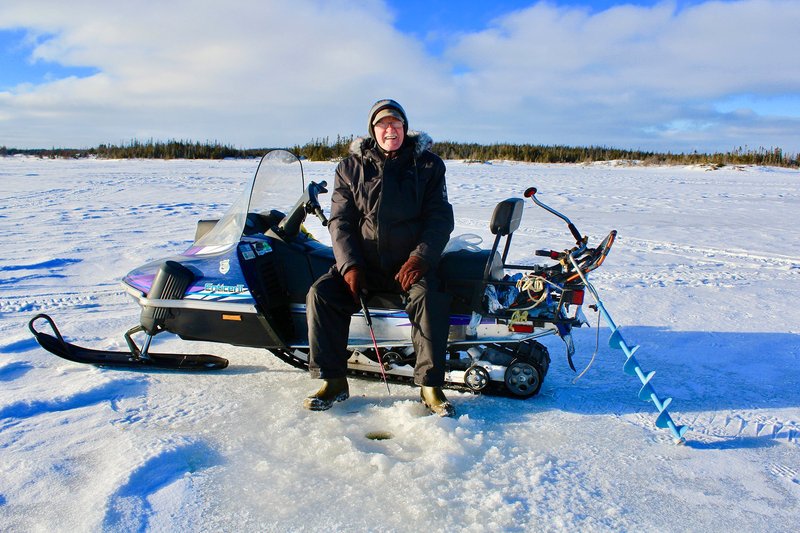
Look for areas with a consistent ice thickness, usually 4-6 inches Avoid areas with a lot of snow or slush, as this can indicate thin ice Choose areas with a mix of sand and gravel, as this can provide a solid foundation for your ice shelter Consider areas with a nearby water source, such as a lake or river
For players seeking reliable platforms, https://icefishinggame.ca offers comprehensive solutions.
Dealing with the Challenges of Canadian Winter Conditions
Staying Safe on the Ice: Important Safety Precautions for Ice Anglers
Staying safe on the ice is crucial when ice fishing in Canada. Here are some important safety precautions to follow:
Always check the ice thickness before heading out Wear a life jacket or personal flotation device (PFD) at all times Bring a first aid kit and know how to use it Let someone know your itinerary and expected return time * Be aware of the weather forecast and dress accordingly
Winter Weather Woes: How to Stay Warm and Dry During Long Ice Fishing Trips
Long ice fishing trips can be challenging, especially in harsh winter conditions. Here are some tips to help you stay warm and dry:
Dress in layers, including a base layer, insulating layer, and waterproof outer layer Wear a hat, gloves, and scarf to prevent heat loss Bring a portable heater or hand warmers to keep your hands and feet warm Stay hydrated by drinking plenty of water and bringing a thermos of hot tea or coffee
Strategies for Success in the Face of Adversity
Mastering the Art of Ice Fishing in Canada’s Challenging Winter Waters
Mastering the art of ice fishing in Canada’s challenging winter waters takes time and practice. Here are some strategies to help you succeed:
Read the ice: Learn to identify the best fishing spots and times by observing the ice and water conditions Be patient: Ice fishing can be a long and slow process, so be prepared to spend several hours waiting for a bite * Stay focused: Keep a sharp eye out for signs of fish activity, such as bubbles or movement on the ice
The Thrill of the Catch: Bringing Home the Big One
The Science Behind the Thrill: Understanding the Psychology of Ice Fishing
The thrill of the catch is a major part of the ice fishing experience. Here’s a look at the science behind the thrill:
Dopamine release: The act of catching a fish releases dopamine, a neurotransmitter associated with pleasure and reward Adrenaline rush: The excitement of waiting for a bite and the sudden release of adrenaline can create a thrilling experience * Sense of accomplishment: Bringing home the big one can give you a sense of pride and accomplishment
The Importance of Setting Goals and Tracking Progress
Setting goals and tracking progress is essential for ice fishing success. Here’s why:
Set realistic goals: Set achievable goals for the number of fish you want to catch and the size of the fish Track your progress: Keep a journal or use a spreadsheet to track your progress and identify areas for improvement * Adjust your strategy: Based on your progress, adjust your strategy to improve your chances of catching more fish
No comment